Same chimney, different exhaust
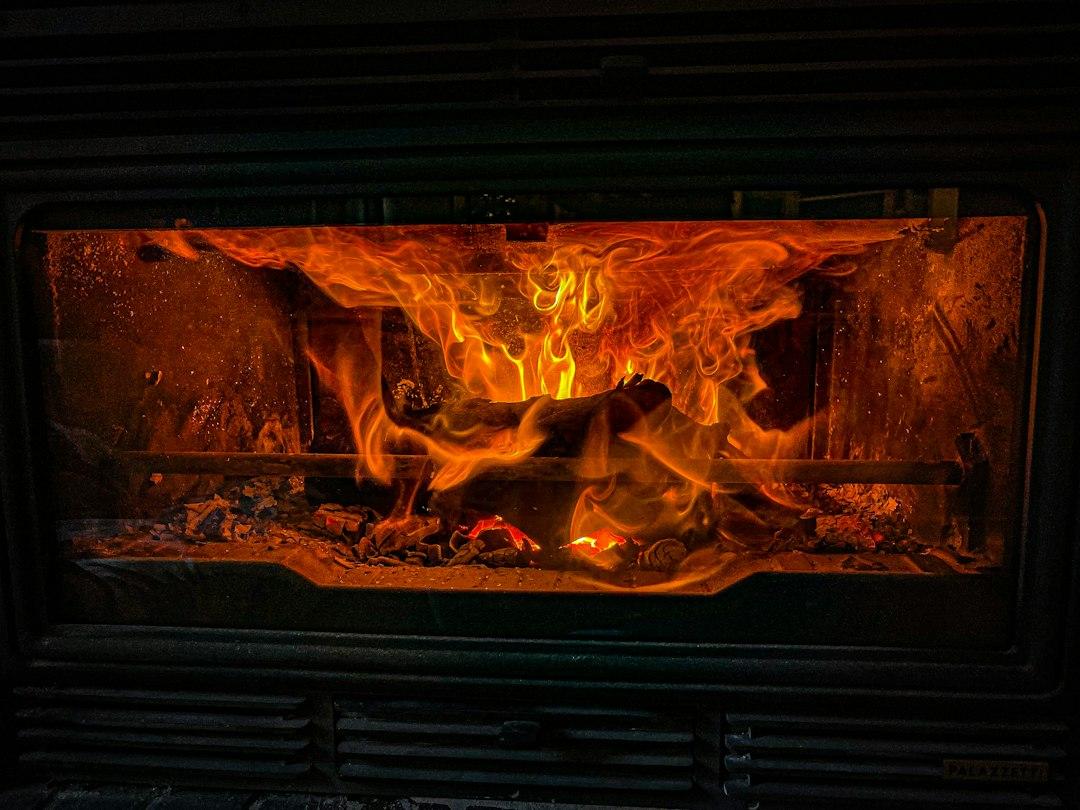
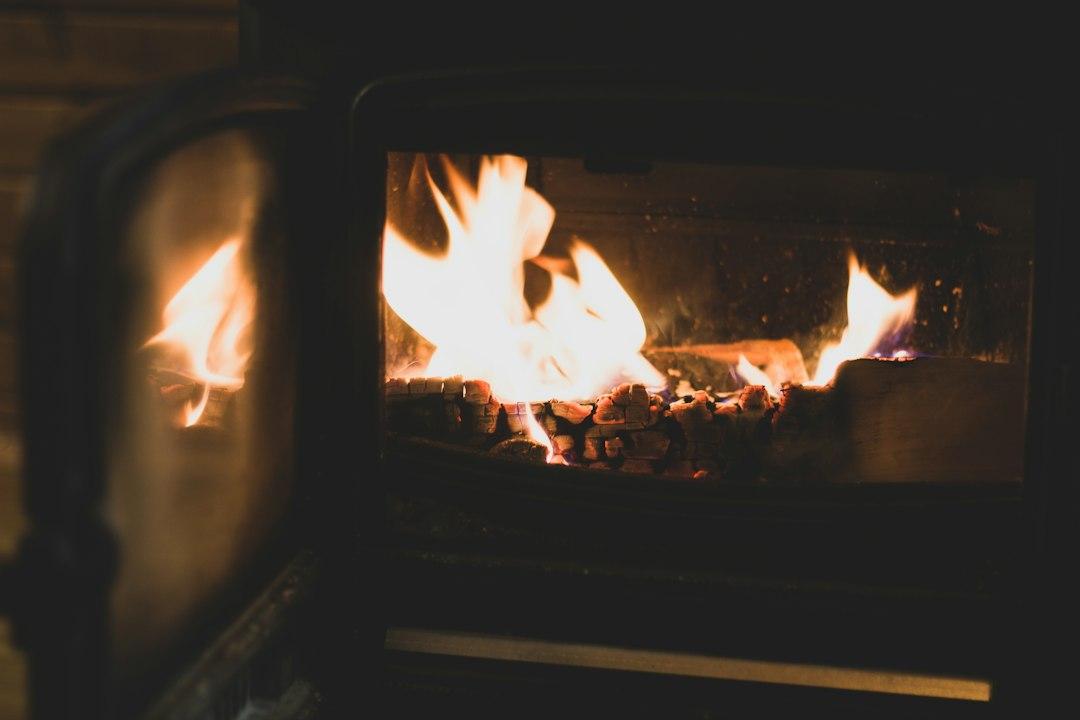
A wood fireplace and a gas appliance ask different things of the flue above them. Wood smoke runs hot and dry and leaves tar behind. Gas exhaust runs cooler and wetter: less soot, far more water vapor. When an owner in Pico Rivera switches fuels, a flue that coped with one may struggle with the other. That is why we put a Level 2 inspection ahead of every conversion we quote, whether the plan is a log set, an insert or something larger.
Why a change of fuel calls for the camera
Most chimney work in this country is judged against NFPA 211, a fire code document from the National Fire Protection Association. It describes when each depth of inspection fits. The camera-level visit, Level 2, is the one it points to when the job the chimney does is about to change: a new appliance, a new fuel or a new liner. A conversion is all three at once.
A Level 1 looks at what can be reached from the firebox and the roof without opening anything. That is right for a chimney that keeps doing what it has always done. It cannot see the long middle of the flue, which is exactly where a fuel change exposes old damage.
What the camera is looking for
We run a camera from the smoke chamber to the top, save the video, and judge each of these for the appliance you have in mind.
- Old deposits. Years of wood fires leave creosote on the tile. Damp gas exhaust mixed with that residue can turn into an acidic paste that softens mortar. A flue that burned wood gets swept before any gas goes in.
- The tile. Cracks, open joints and missing pieces. A log set sends its exhaust straight up the tile, so damage there means repair or a liner first. An insert runs its own pipes, but the camera still tells us the path is clear for them.
- Size against the appliance. A small gas burner in a very large flue makes slow, cool exhaust that condenses on the walls. A log set needs enough flue for its burner. An insert needs room for its pipes to pass.
- The smoke chamber and damper. Whether the damper can be clamped open for logs or has to come out for an insert, and whether the chamber walls are smooth and whole.
- Other flues. Some chimneys carry a second flue for a furnace or a water heater. Changing the fireplace can change how that one behaves, so it gets a look too.
- Clearances. How close wood framing sits to the firebox and to the chimney where it passes the ceiling and the attic.
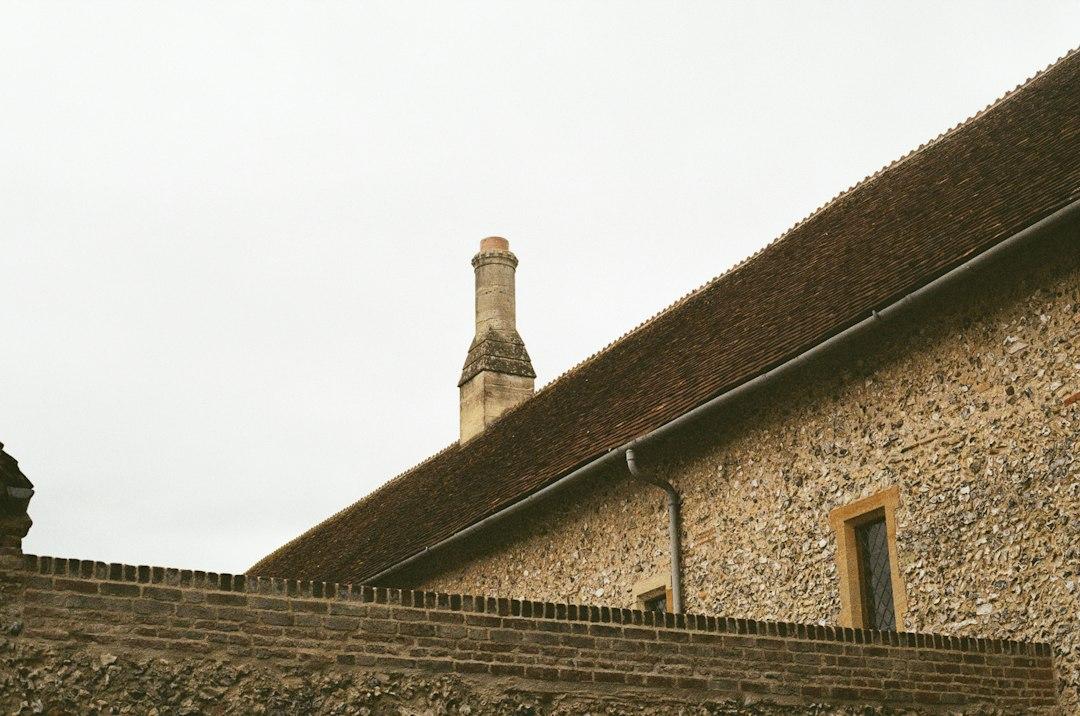
On the roof we look at the crown, the cap and the flashing, because the top of the chimney will carry the new termination.
What you receive
A written report with photos and the saved video. Each finding sits on its own line with a short verdict and a note on what it means for logs, for an insert, or for both. If a finding rules out one option, the report says so and says why. The report is yours, so you can hand it to us or to any installer you choose.
What the inspection costs
| Visit | Our price |
|---|---|
| Camera inspection (Level 2) | $380 |
| Visual check (Level 1) | $53 |
| Sweep before conversion | from $405 |
For a conversion, the Level 2 is the one that answers the question. The Level 1 suits a yearly look at a fireplace that is not changing. A sweep is added when the camera shows wood residue the gas should not meet; if the flue is heavily coated, we may sweep first so the camera can see the tile at all.
When you are ready, book through the quote form with where the fireplace sits in the house, what it burns now, and which gas option you are leaning toward. We call back to fix a time, and the report follows the visit.
When the camera finds trouble
Most flues we film fall into one of three groups, and each leads somewhere different.
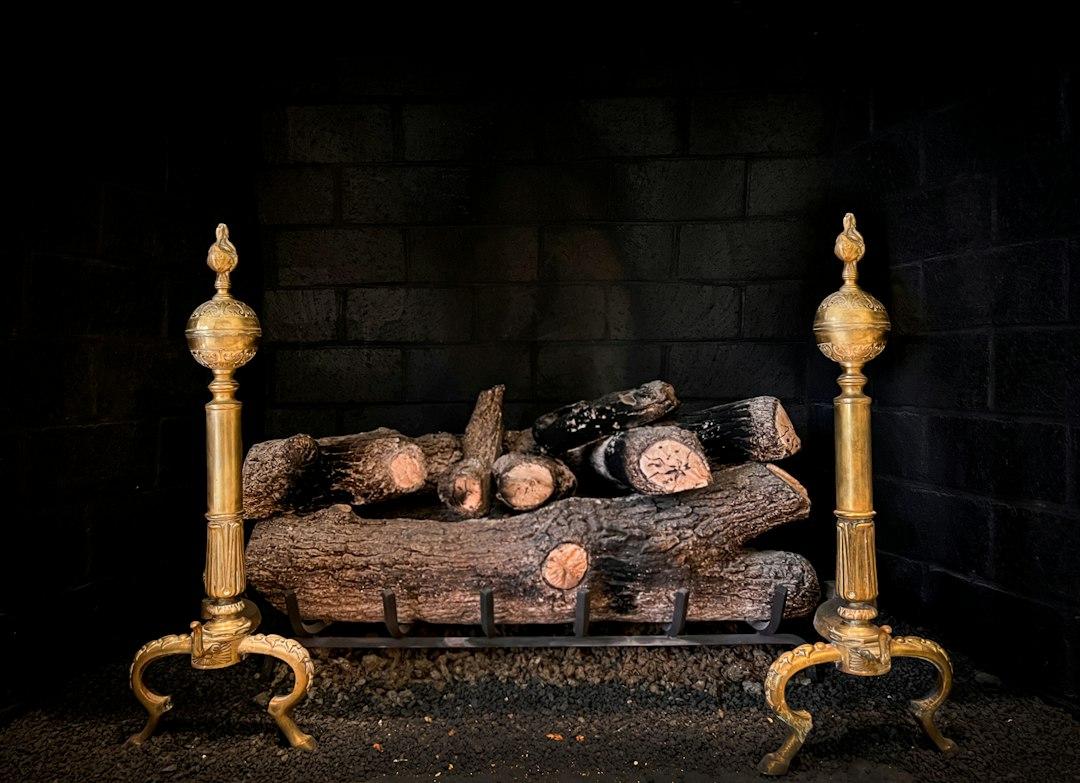
The first group is sound tile with some wood residue. A sweep and a clamp or a cap is all that stands between that flue and a log set, and an insert can go in with no extra chimney work.
The second group is tile with cracks or open joints. A log set would send exhaust through those gaps, so the choice becomes a repair, a chimney liner, or switching the plan to an insert, which brings its own vent. Insert pricing with us runs $2,700 to $5,400 installed.
The third group is a chimney with bigger problems: a cracked crown, a leak, loose brick at the top or framing too close. Those get fixed before any gas appliance is lit, and the written scope lists each repair with its own figure. Some owners in that group decide to leave the chimney alone and add a direct vent unit on an outside wall instead, which runs $4,300 to $8,650 with us.
Why not just skip it?
Owners sometimes ask whether they can go straight to the install. You can, with someone else. We will not light a gas appliance in a flue we have not seen, because a crack in the middle of a chimney is invisible from both ends, and gas exhaust that leaks through it does so without smoke or smell to warn you.
Related reading
The log set or insert post compares the two most common conversions. The Level 2 service page covers the inspection itself, including when it fits outside a conversion.
Booking the camera
We inspect chimneys in Pico Rivera, Whittier, Downey, El Monte and the towns between them. Let us know on the contact page what you are planning and we will put the visit on the calendar.
Want the Figures for Your House?
Whitcomb Chimney Care measures the opening, reads the flue and writes up logs, an insert or a direct-vent unit for homes around Pico Rivera. The contact page starts it.