When the old chimney is not the answer
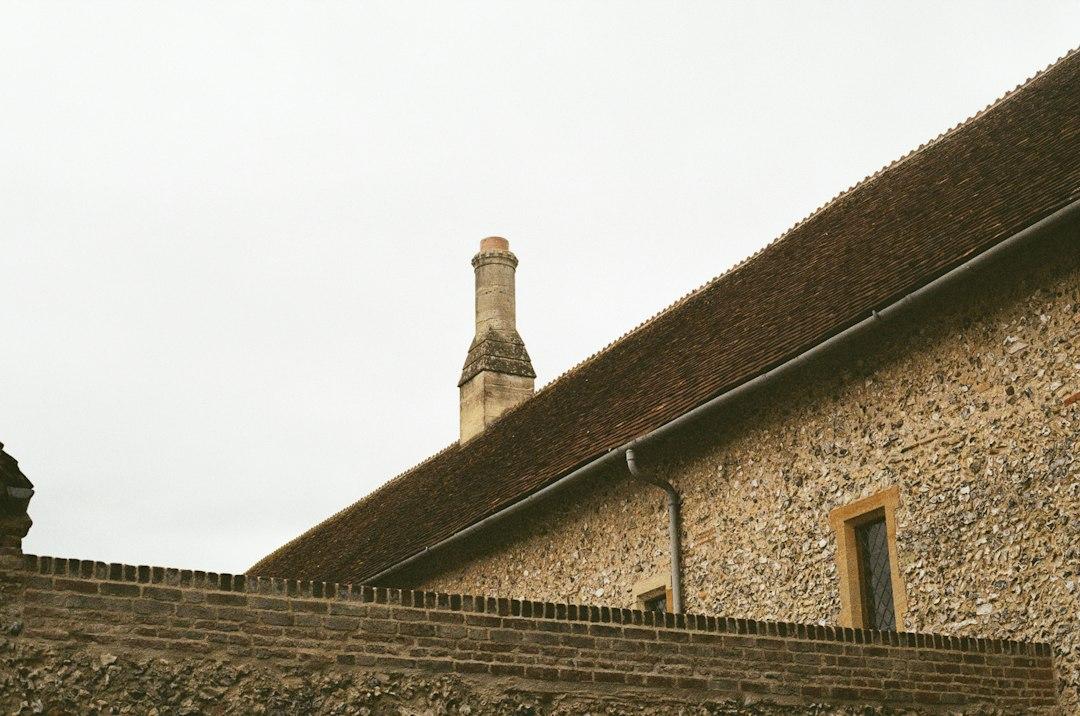
Some houses in Pico Rivera have a brick fireplace in a room nobody sits in. Others have a chimney so cracked that relining it would cost more than walking away from it. Plenty never had a fireplace at all. For all three, the usual route is a direct vent gas unit framed into an outside wall. This post covers what that job involves and what it costs with Whitcomb Chimney Care.
What you are buying
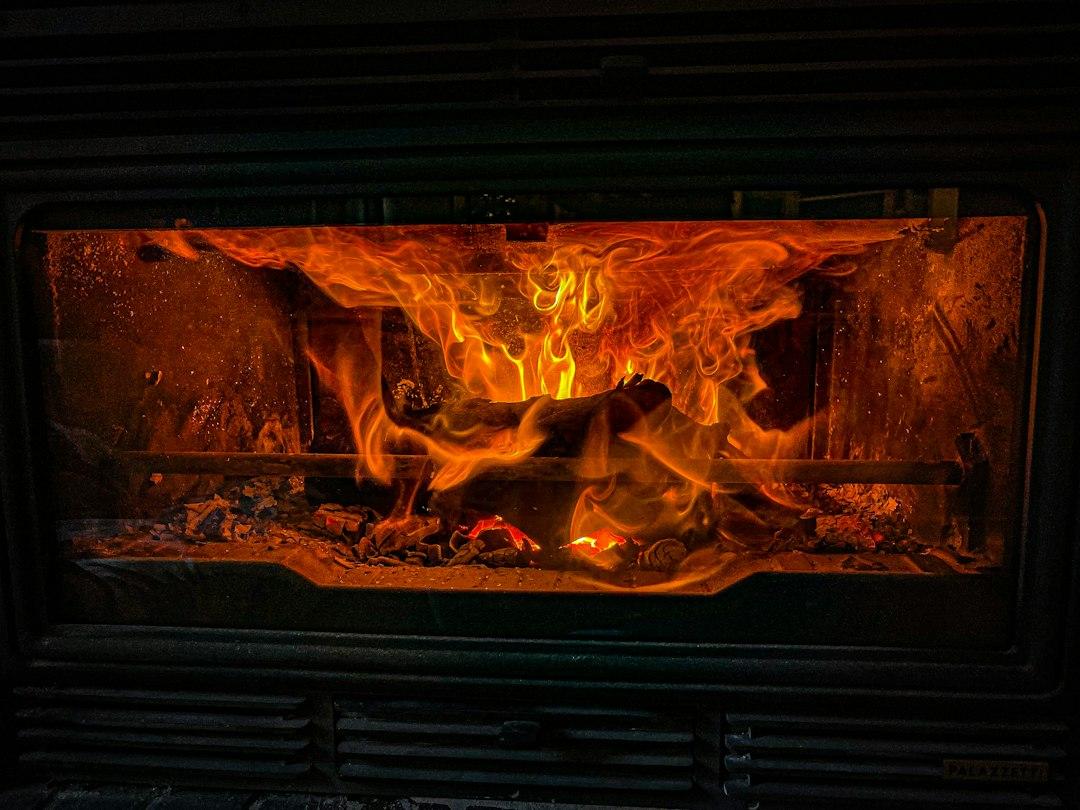
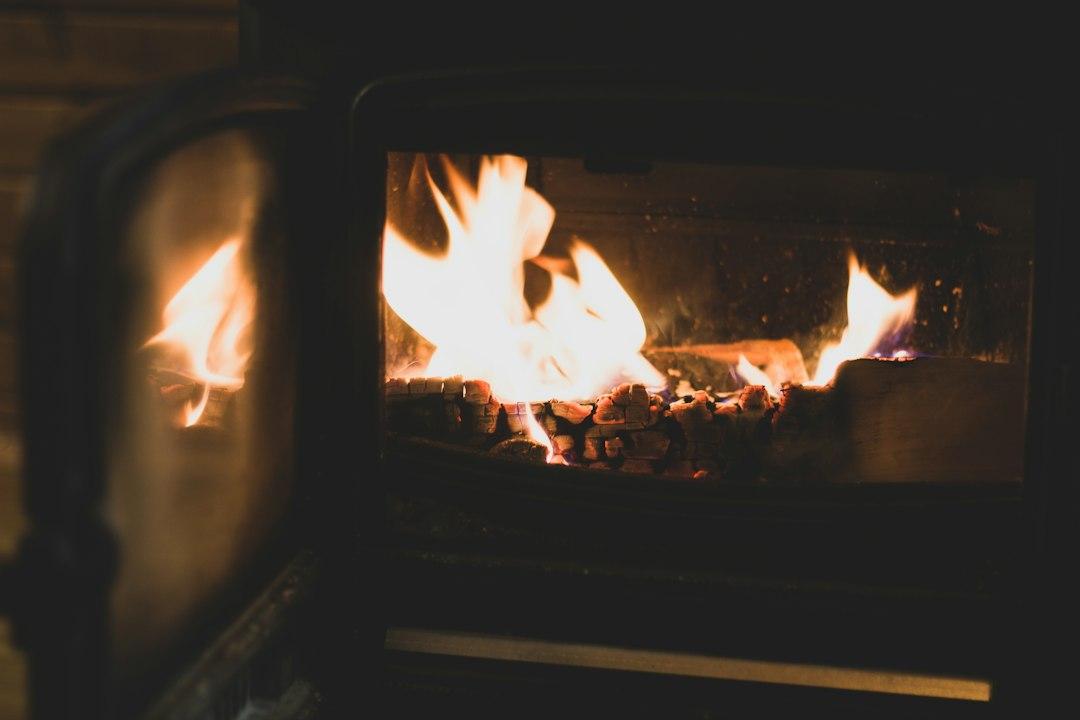
A direct vent unit is a sealed firebox with a glass front, built to stand in a wood-framed wall or in a box built out from the house. One pipe leaves the back or the top, and it is really two pipes, one inside the other. Exhaust leaves through the middle. Fresh air comes in through the ring around it. Because the unit only breathes outside air, it does not pull warm air out of the room, and it does not need a chimney to draw.
That makes it the most flexible of the gas options. It can go on almost any outside wall, and with a longer vent it can sit some distance from one.
Our installed range
A new direct vent install runs $4,300 to $8,650 with us. Your written scope lists exactly what that covers on your house: the unit, the vent, the gas line, the framing and the finish. Where a given job lands in the range comes down to five choices, one per section below.
Choice one: the vent route
The shortest path is straight out the back of the unit and through the wall behind it. That is the cheapest layout and the most common. If the wall faces a side yard too narrow for the clearances the maker lists, or the vent cap would land under a window or beside a door, the pipe has to rise and turn, sometimes all the way up through the roof. Every extra length and elbow adds parts and labor, and a roof exit adds flashing work around the pipe.
Choice two: the wall itself
Setting a unit into a wall that already faces the room means opening drywall, cutting studs, adding a header and building an enclosure with the clearances the maker requires. A bump-out, a small framed box built out from the house, keeps the unit from eating into the room but adds outside framing, a little roof over it and stucco to match the walls. Inside framing is the lower-cost path. A bump-out costs more and saves floor space.
Choice three: the gas line
A unit in a family room that backs onto the kitchen may only need a short branch from an existing line. A unit on the far side of the house from the meter needs a longer run, often through the attic or under the floor, with its own shutoff at the unit. We size the pipe to the unit's input so the fireplace does not starve the furnace or the water heater when everything runs at once.
Choice four: the unit
Units differ in width, heat output, glass size, blower, lighting and controls. A modest model with a basic surround sits near the bottom of our range. A wide linear unit with a blower, electronic ignition and a finished front costs more before we touch a stud. We show you two or three models that fit the wall and the room, with the heat each puts out, so the choice is about how you will use it, not about brochures.
Choice five: the finish around the glass
Drywall and paint is the simplest finish. Tile, stone veneer, a floating mantel or a built-in cabinet each add material and days of work. We can plan and build the finish as part of a fireplace remodel, or leave the wall ready for your own contractor.
Before we come out, send the quote form with the room and the wall you have in mind, what sits on the other side of that wall, and roughly how far it is from the gas meter. We call back to book a measuring visit, and the written quote comes from that visit.
Permits and paperwork
A new gas appliance and a new opening in an outside wall usually need a building permit. The written scope says which permit the job needs and who pulls it. When the work is done you keep the manual, the permit record where there is one, and our note of what was installed and where the vent exits.
What happens to the old fireplace
If the house still has a brick fireplace you are not using, it can stay as it is, be sealed off at the top with a cap, or be reworked later. If you are not sure it is safe to leave alone, a chimney inspection at $53 for a Level 1 tells you whether it needs repair. A chimney that leaks gets traced and fixed through chimney leak repair, which runs $540 to $3,250 depending on how many places the water finds.
Compare before you cut a wall
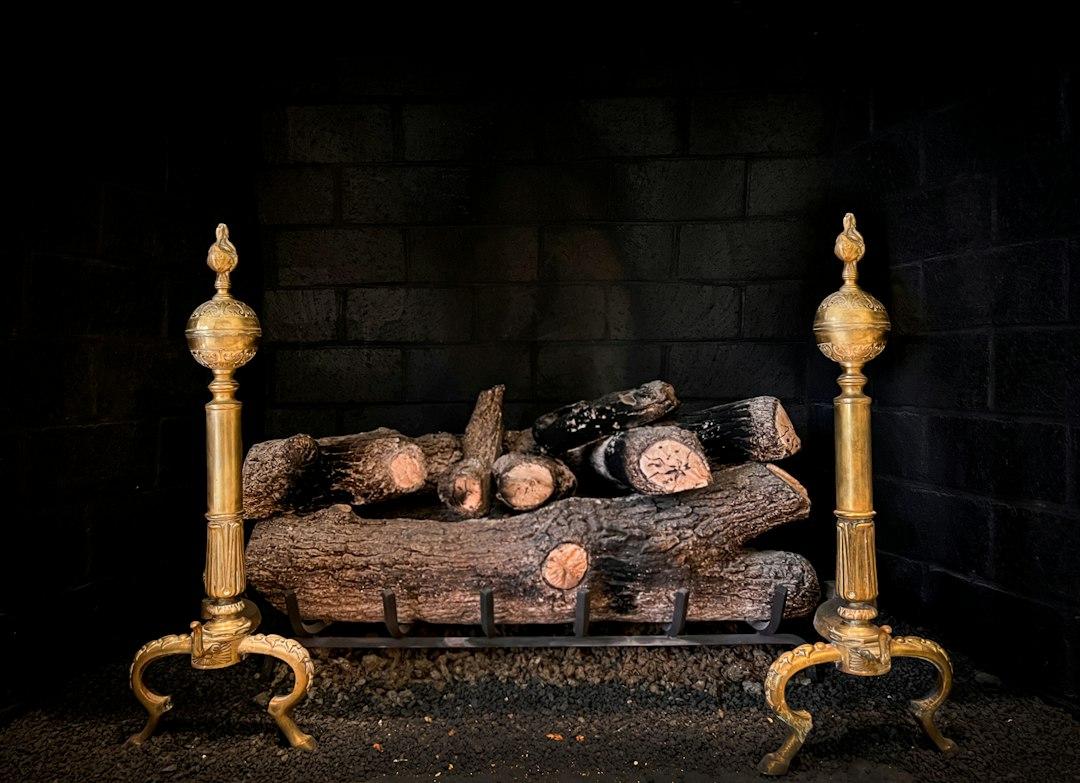
If the existing fireplace is sound and sits in a room you like, an insert in that opening costs $2,700 to $5,400 and avoids new framing altogether. The log set or insert post puts those two side by side. Direct vent wins when the room is wrong, the chimney is beyond saving, or the house never had one.
A typical install, start to finish
We mark the opening and the vent exit on the wall, open it up and frame the enclosure. The gas line goes in next, then the unit and its vent. The wall is closed and finished, and then we fire the unit, check the joints for leaks, watch the flame settle across the burner and test the room air before we pack up. You learn the controls before we leave.
Ready when you are
A direct vent fireplace is a small building project more than a chimney job, and it starts with a tape measure on your wall. Reach us through the contact page and we will set up the visit.
Want the Figures for Your House?
Whitcomb Chimney Care measures the opening, reads the flue and writes up logs, an insert or a direct-vent unit for homes around Pico Rivera. The contact page starts it.