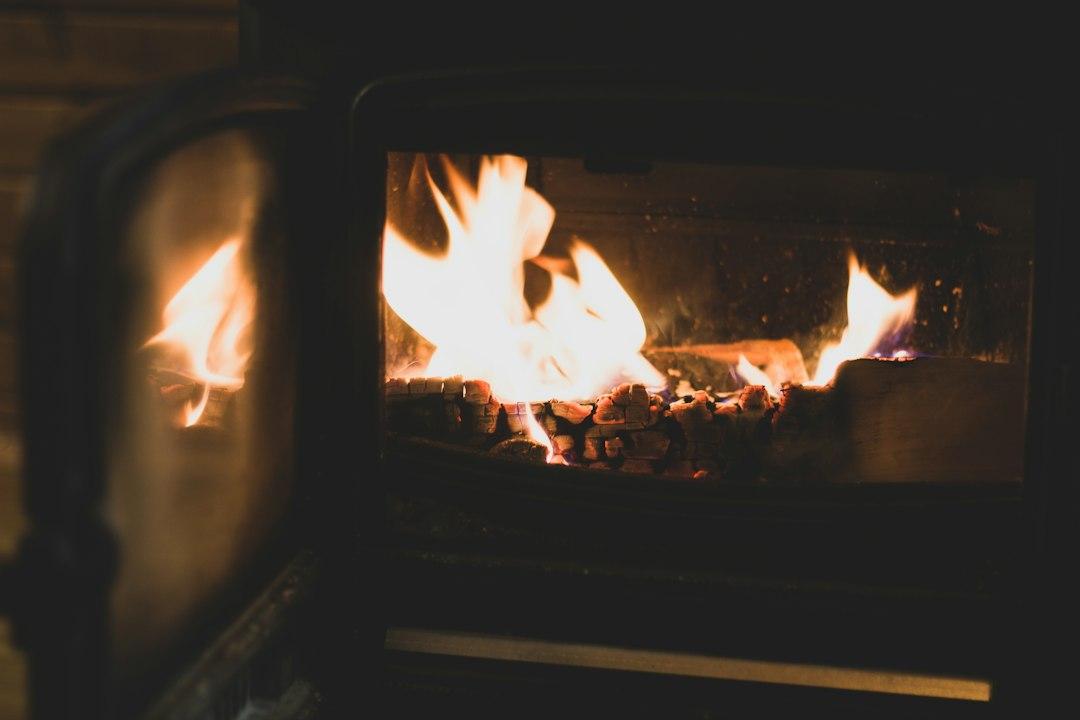
Two different machines
Owners in Pico Rivera who are finished with firewood tend to open with one question: is a log set cheaper than an insert? It usually is, but the comparison hides the real choice. A log set is a flame you look at. An insert is a heater with a window in it. Decide which of those jobs the fireplace should do, and most of the price question answers itself.
Below, each option gets its own section: what it is, what it asks of the chimney, and what moves the cost. Where we publish a figure, you will find it here. Where we do not, we say why.
Option one: a log set in the old firebox
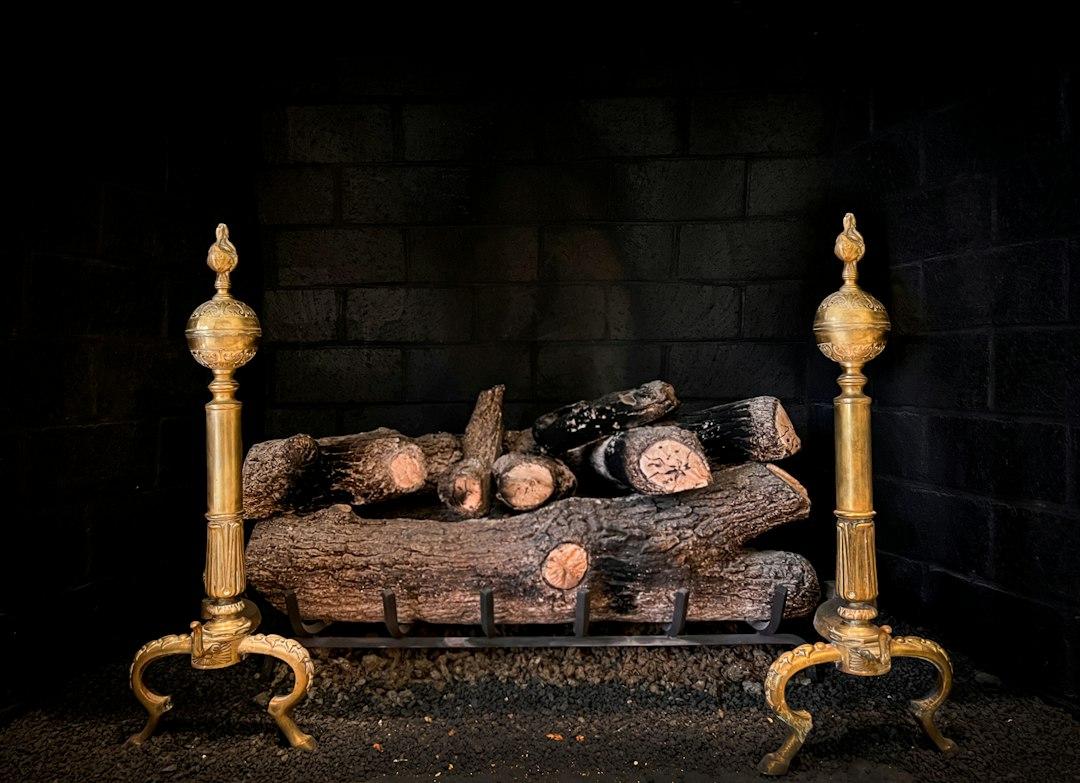
Picture a steel tray of burner ports under a stack of ceramic logs, fed by a valve and lit by a pilot or an electronic igniter. It sits in the brick firebox you already own. The opening stays open, and the chimney keeps doing the job it always did, only with cleaner exhaust.
The appeal is simple: a real-looking fire at the turn of a key or the press of a remote, with no ash to shovel and no smoke stain creeping up the mantel. The trade is heat. A vented set needs the damper held open, and much of the warmth rides up the flue with the exhaust. Think ambience first, warmth second.
On the chimney side, a log set needs a flue that is swept, open from bottom to top and free of cracks that could leak exhaust into the walls. It also needs the damper clamped so nobody can close it while the burner is lit. Every set we fit is a vented one, so the flue matters as much as the logs.
We do not post a single log-set figure. The set you choose, the length of gas pipe needed to reach the hearth, and any sweeping or flue repair first all vary too much from one house to the next. You get the number in writing once we have measured the firebox and found the gas supply.
Option two: an insert that turns the fireplace into a heater
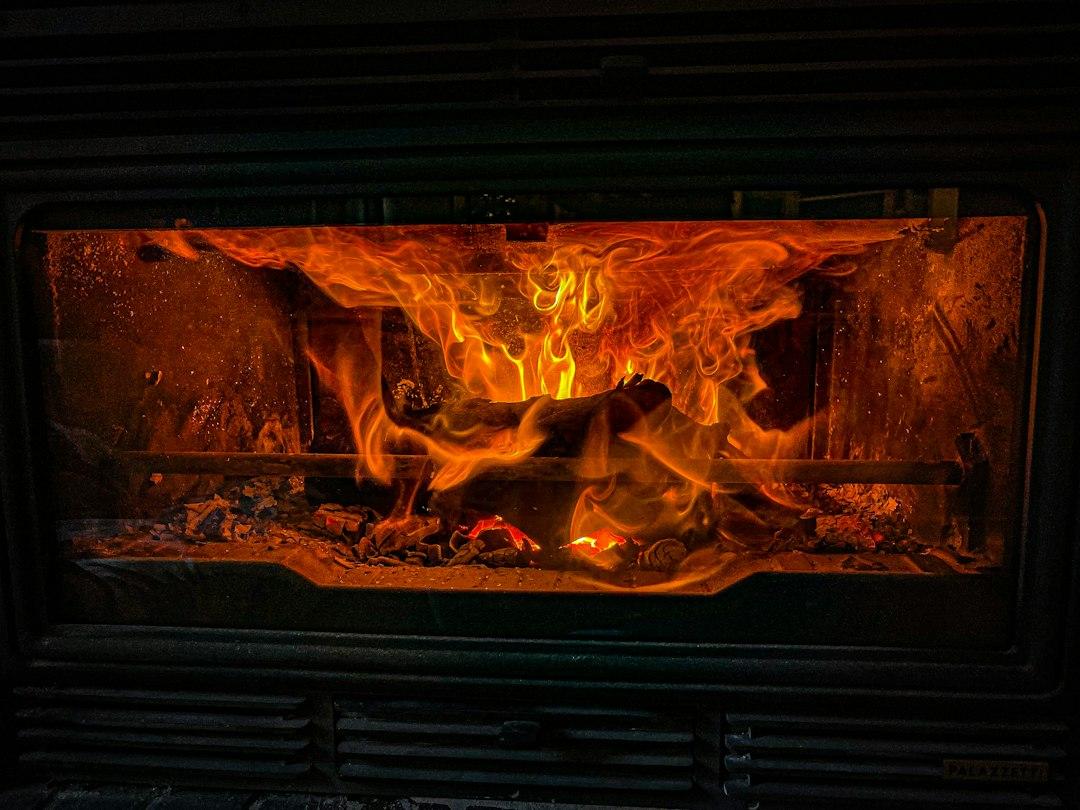
An insert is a sealed steel firebox with a glass face, sized to slide into the masonry opening. Two pipes run from its top up the full height of the chimney to a cap: one draws outside air down to the burner, the other carries exhaust up and away. The flame never touches room air.
What you gain is heat you can count on. Most inserts run from a thermostat or remote and push warm air into the room with a blower. In the postwar ranch houses common around here, an insert in the living room can carry much of the house through a mild winter.
What you give up is the open hearth. The flame sits behind glass inside a steel surround. Some owners like the tidy look; others miss seeing the brick.
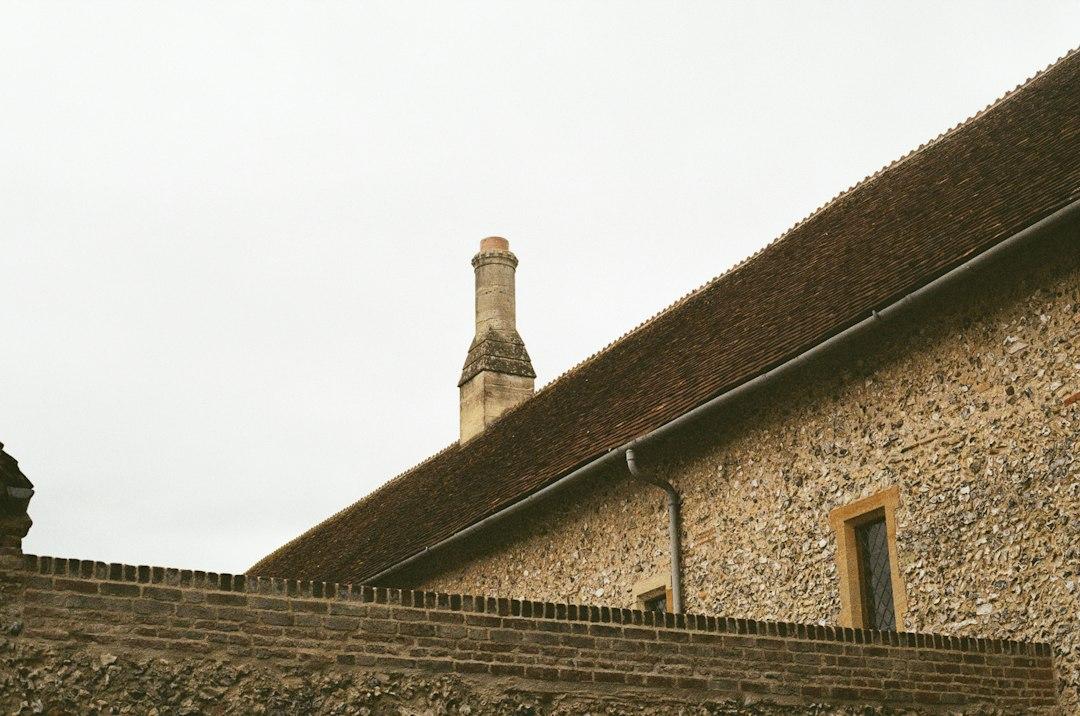
The chimney has to make room. The pipes need a clear path past the throat of the firebox, which in most cases means pulling the old damper plate. The top of the flue must take a new termination. The firebox itself must be deep and wide enough for the model you want.
Installed, an insert in a fireplace you already have runs $2,700 to $5,400 with us. A compact unit in a short, straight, sound chimney sits near the bottom. A larger heater, a tall pipe run, a long gas line from across the house or a firebox that needs repair before the box goes in pushes it toward the top.
A third path: no chimney at all
Sometimes the fireplace is in the wrong room, or the chimney is in such shape that saving it costs more than skipping it. A direct vent unit framed into an outside wall vents straight through that wall. With us that kind of new install runs $4,300 to $8,650. The direct vent budget post walks through it.
Side by side
| Point | Log set | Insert |
|---|---|---|
| Main purpose | The look of a fire | Heating the room |
| Front of the opening | Open | Glass |
| Damper | Clamped open | Usually removed |
| Flue | Carries exhaust itself | Holds two new pipes |
| Our price | Written after a visit | $2,700 to $5,400 |
What settles it on your house
Three things decide it more often than taste does.
- How often you will light it. A few holiday fires point toward logs. Most evenings from November to March point toward an insert.
- The flue tile. Cracked tile can still house an insert, because its own pipes carry the exhaust. A log set depends on the tile, so damage there gets fixed first.
- The gas supply. A key valve already at the hearth lowers the cost of both. No gas at the fireplace means a new run from the meter or the nearest branch line.
All three get checked on a chimney inspection. A Level 1 is $53. If nobody has looked up the flue in years, or you already suspect a crack, a Level 2 with a camera at $380 gives a firmer answer before you commit to either option.
If you are deciding now, fill in the quote form with the room the fireplace is in, whether you want looks or heat, and whether there is a gas key beside the hearth. We call back to book the visit, and the written figure follows it.
Install day for each
For a log set we confirm the flue is clear, fit the damper clamp, connect the burner to the gas key, place each log where the maker's diagram shows, light it and check every joint for leaks.
For an insert we empty the firebox, lower the pipes from the roof, set and level the unit, hook up gas and power, fit the surround, and then fire it while we test the room air for carbon monoxide. You keep the manual and a short note of what was done.
Gas and the no-burn days
Pico Rivera sits inside South Coast AQMD territory. Whenever a winter no-burn alert is posted, wood is out, yet gas fireplaces may still run. For many owners that settles it: the gas fire is the one you can light on the cold, still nights when the alerts go out. Our gas logs page and insert page cover each option in more depth.
Where it starts
Whichever way you lean, the work begins with someone reading your flue. Tell us about the fireplace through our contact page and we will find a time to come out.
Want the Figures for Your House?
Whitcomb Chimney Care measures the opening, reads the flue and writes up logs, an insert or a direct-vent unit for homes around Pico Rivera. The contact page starts it.