
The fuel changed, so the damper's job did too
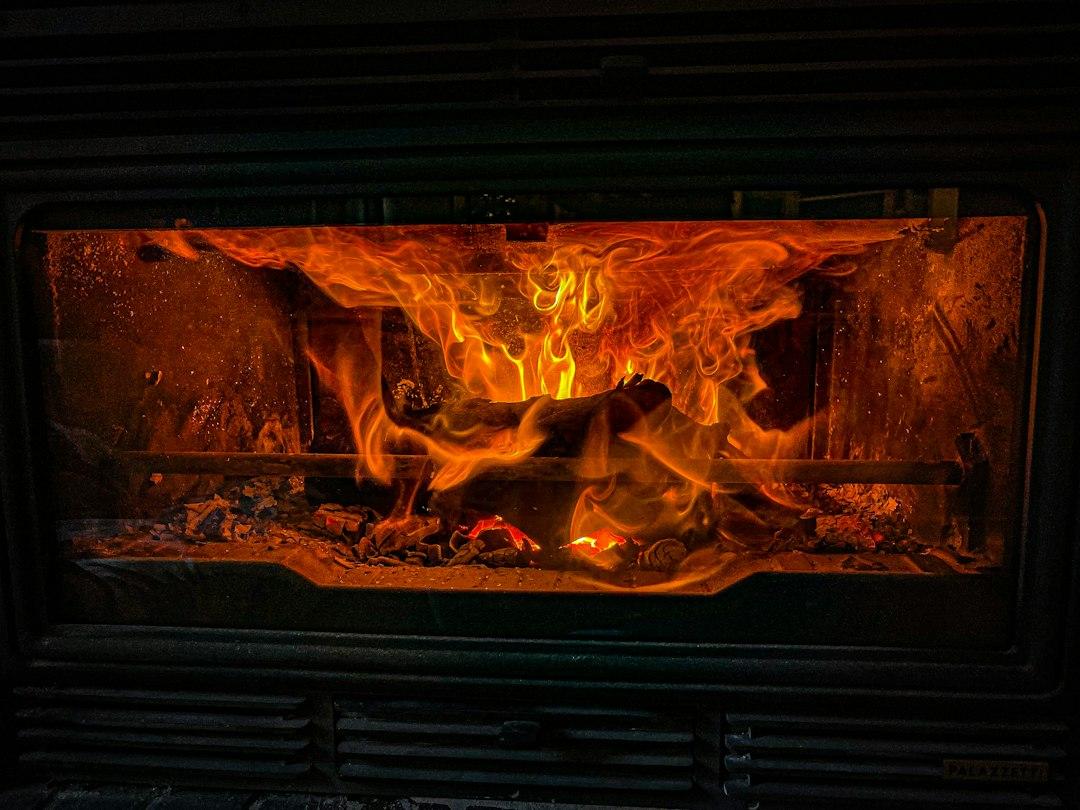
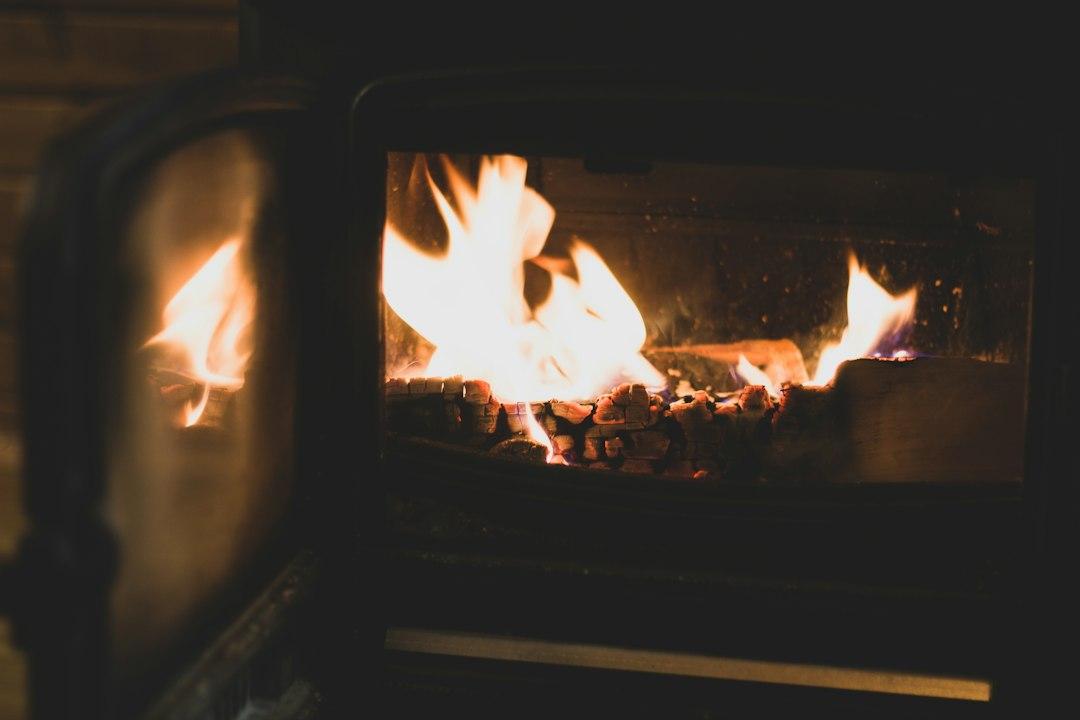
With wood, the damper opens for the fire and closes once the ashes are cold. With a vented gas log set, it has one setting for good: open. With an insert, it usually leaves the chimney altogether. In Pico Rivera houses where the switch to gas happened years ago, much of the damper trouble we find comes from that change being only half made.
This post goes through each setup in turn, what goes wrong with the damper in it, and what the repair involves.
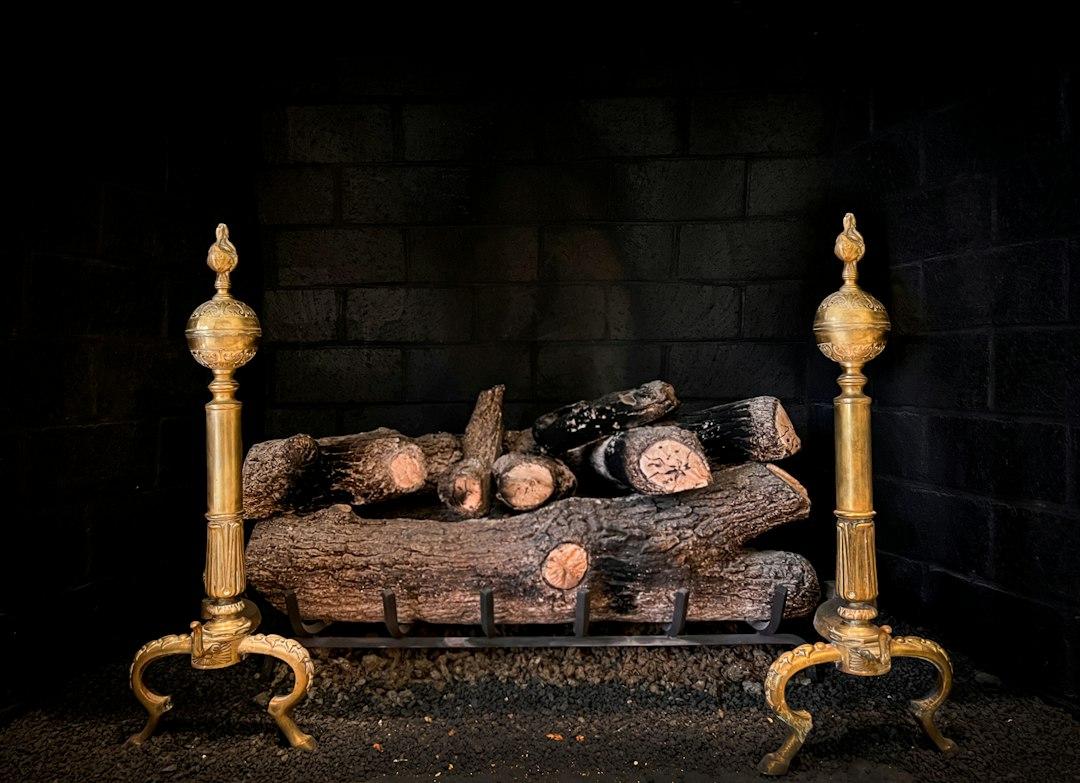
Vented log sets: open, and kept that way
Gas codes and log set makers call for the damper above a decorative set to be removed or held open for good, so that nobody can shut it while the burner runs. In practice that means a clamp or stop fixed to the damper so the plate cannot close past a set point.
The faults we see most with log sets:
- No clamp at all. The damper works like it did for wood, and someone eventually closes it with the pilot lit.
- A clamp on a damper that has rusted half shut, so the opening is smaller than the burner needs.
- A clamp knocked loose during a sweep or a log change and never put back.
- A top-sealing damper added later to stop winter drafts, which closes the flue completely when pulled.
Each one can push exhaust back into the room. The fix ranges from fitting a clamp to replacing the damper plate to removing a top damper that should not be there.
Top-sealing dampers and gas logs
A damper that seals at the top of the flue is a good upgrade for a wood fireplace: it closes tight and keeps rain out. Over a vented log set it is a problem unless it is locked open or taken off. If your house has one and a log set below it, we treat that as the first item on the visit.
Inserts: where the old damper goes
When an insert goes in, its pipes need a clear path up from the firebox. In most chimneys the old cast iron plate comes out, and on some the frame has to be trimmed. A plate at the top of the flue then seals around the pipes, so there is nothing left at the throat to fix. If you have an insert and still hear a damper rattle in the wind, part of the old one was left loose, and that is worth a look.
Rust from above
Many damper failures start at the top of the chimney. An uncapped flue lets rain fall straight onto the cast iron plate every winter. The plate rusts, the hinge seizes and the frame scales away until the plate drops or jams. Over gas logs, a damper rusted into a half-closed position is a venting problem. Over an insert, rusted pieces can fall onto the pipes.
The lasting fix is to stop the water as well as the rust. A chimney cap with us is quoted after we measure the flue. A single-flue cap is the simplest job. A custom piece across a wide crown costs more, and so does copper.
Signs that send owners our way
Most damper calls in Pico Rivera start with something an owner notices from the room rather than a planned check.
- A gas fire that leaves a smell in the room after the first few minutes, or soot creeping onto the face of the brick above the opening.
- Flakes of rust or grit on the logs or the hearth after a windy night or a storm.
- A handle that swings freely with no feel of a plate on the end of it, or one that will not move at all.
- A whistle or a cold draft from the fireplace on winter nights, even with an insert in place.
- A carbon monoxide alarm that sounds while the fire is lit. Turn the fire off, open windows, get people outside and have the fireplace looked at before it runs again.
Any one of these is reason enough for a visit, and none of them needs to be diagnosed by you first.
What a damper repair costs
We do not post one figure for damper work, because the jobs under that name are very different. Four things move the price.
- What the damper needs. Freeing and fixing a sound plate open is a small job. A new plate, a new frame or a top-sealing replacement is larger.
- What sits in the firebox. Log sets come out and go back in. An insert may have to be pulled to reach the throat.
- The cause. Rain from an open flue adds a cap. A leaking crown adds crown repair.
- Access to the top. A tall or steep roof adds time to anything done from above.
Once we have seen the damper, you get a written figure with each of those named. If you would like that started, use the quote form and tell us what burns in the fireplace now, whether the damper moves, and whether there is a cap on the chimney. We call back to set the visit.
What we do on the visit
We look at the damper from below with a light, check its position against the burner, and look for rust, gaps and missing parts. On the roof we check the cap and crown. If we fit a clamp or change a plate, we light the gas set afterwards and check that the exhaust goes up and not out into the room.
What you receive is a short note: what we found, what we did, and anything still to decide.
The page for this job
Damper work is covered on our damper repair page. If the fireplace itself needs attention, see gas fireplace repair.
Reaching us
We work across Pico Rivera, Whittier, Downey and El Monte. Tell us about the damper on the contact page and we will book a time.
Want the Figures for Your House?
Whitcomb Chimney Care measures the opening, reads the flue and writes up logs, an insert or a direct-vent unit for homes around Pico Rivera. The contact page starts it.